
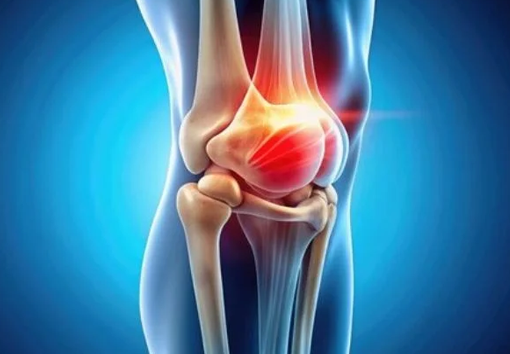
ACL Tear
An Anterior Cruciate Ligament (ACL) tear is one of the most common and serious knee injuries, particularly among athletes and physically active individuals. The ACL is a strong ligament located in the center of the knee that connects the thigh bone (femur) to the shin bone (tibia). Its primary function is to stabilize the knee joint during movements such as running, jumping, pivoting, and sudden changes in direction. When the ACL is stretched beyond its capacity or completely torn, it can significantly affect knee stability and mobility, making everyday activities and sports difficult.
ACL tears usually occur during sports that involve rapid stops, sudden direction changes, jumping, or direct impact to the knee. Activities such as football, basketball, soccer, skiing, and volleyball are commonly associated with ACL injuries. Many people experience a popping sensation at the time of injury, followed by immediate pain, swelling, reduced range of motion, and difficulty bearing weight on the affected leg. In severe cases, the knee may feel unstable or buckle during movement.
Diagnosis of an ACL tear typically begins with a detailed physical examination by an orthopedic specialist. The doctor evaluates the knee's stability, swelling, and range of motion. Imaging tests such as X-rays help rule out fractures, while Magnetic Resonance Imaging (MRI) provides a detailed view of the ligament and any associated damage to cartilage, meniscus, or other knee structures. Early and accurate diagnosis is essential to determine the most appropriate treatment plan.
Treatment depends on the severity of the injury, the patient's age, activity level, and lifestyle goals. Partial ACL tears may be managed with rest, ice application, compression, elevation (RICE), pain-relieving medications, knee bracing, and structured physical therapy to strengthen surrounding muscles and restore stability. Complete ACL tears, especially in athletes or active individuals, often require ACL reconstruction surgery. This procedure involves replacing the torn ligament with a tendon graft taken from the patient's own body or from a donor.
Rehabilitation plays a crucial role in recovery after both surgical and non-surgical treatment. A personalized physiotherapy program focuses on improving flexibility, muscle strength, balance, and knee function. Recovery may take several months, and returning to sports should only occur after medical clearance and completion of rehabilitation milestones. With timely diagnosis, appropriate treatment, and dedicated rehabilitation, most individuals can regain excellent knee function and safely return to their normal daily activities and athletic performance.