
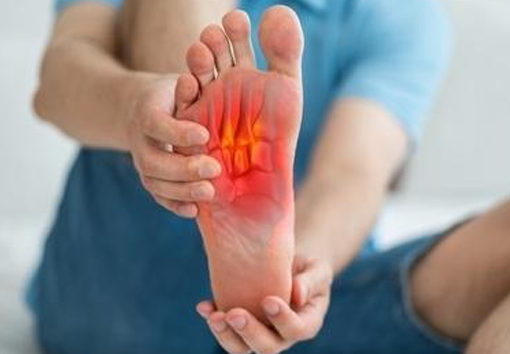
Foot Pain
Foot pain is a common condition that can affect people of all ages and lifestyles. Since the feet support the entire weight of the body, even minor discomfort can make everyday activities such as walking, standing, climbing stairs, or exercising difficult. Foot pain may develop suddenly due to an injury or gradually as a result of overuse, poor footwear, aging, or underlying medical conditions. The pain can occur in different parts of the foot, including the heel, arch, toes, ball of the foot, or ankle, and its severity can range from mild soreness to intense, persistent pain.
There are many possible causes of foot pain. One of the most common reasons is plantar fasciitis, a condition in which the thick band of tissue connecting the heel to the toes becomes inflamed. Other causes include sprains, fractures, arthritis, bunions, corns, calluses, flat feet, nerve compression, tendon inflammation, and stress injuries. Medical conditions such as diabetes, gout, and poor blood circulation can also contribute to foot pain and require specialized medical attention. Wearing shoes that do not provide proper support or spending long hours standing can further increase the risk of developing painful foot conditions.
The symptoms of foot pain vary depending on the underlying cause. Individuals may experience aching, burning, stabbing, or throbbing pain along with swelling, redness, stiffness, numbness, or difficulty bearing weight on the affected foot. Some people notice increased pain after physical activity, while others experience discomfort immediately after waking up or after long periods of rest. Ignoring persistent foot pain can lead to worsening symptoms and may affect posture, balance, and mobility over time.
Treatment for foot pain depends on its cause and severity. Mild cases often improve with adequate rest, ice therapy, compression, elevation, and avoiding activities that put excessive pressure on the feet. Wearing supportive footwear, using custom orthotic insoles, and performing stretching and strengthening exercises can help relieve discomfort and prevent future problems. Physical therapy may be recommended to improve flexibility, muscle strength, and walking mechanics. In more severe cases, medications, injections, or surgical procedures may be necessary to correct structural issues or repair damaged tissues.
Preventing foot pain involves maintaining a healthy body weight, wearing properly fitted shoes with good arch support, stretching before exercise, and avoiding repetitive strain whenever possible. Regular foot care and early medical evaluation for persistent pain are essential for preventing complications. With timely diagnosis and appropriate treatment, most people can recover successfully, regain comfort, and return to their normal daily activities while maintaining healthy, pain-free feet.