
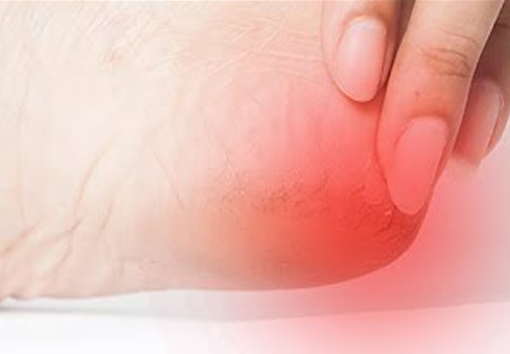
Heel Pain
Heel pain is one of the most common foot problems that affects people of all ages. It can range from mild discomfort to severe pain that interferes with walking, standing, exercising, and performing daily activities. The pain may develop gradually over time or occur suddenly due to an injury. While heel pain is often not a serious medical condition, ignoring it can lead to long-term discomfort and reduced mobility. Early diagnosis and appropriate treatment are essential for preventing complications and restoring normal foot function.
The most common cause of heel pain is plantar fasciitis, a condition in which the thick band of tissue connecting the heel bone to the toes becomes inflamed. Other possible causes include heel spurs, Achilles tendinitis, stress fractures, bursitis, nerve compression, arthritis, and overuse injuries. Wearing unsupportive footwear, prolonged standing, excessive running, obesity, and poor foot mechanics can also contribute to the development of heel pain. Athletes, healthcare workers, teachers, factory employees, and individuals who spend long hours on their feet are particularly at risk.
Symptoms of heel pain may include a sharp or stabbing pain under or behind the heel, especially during the first few steps in the morning or after long periods of rest. The pain may improve with movement but often returns after prolonged standing or physical activity. Some people may also experience swelling, tenderness, stiffness, redness, or difficulty walking. In severe cases, the pain can affect posture and lead to discomfort in the knees, hips, or lower back due to altered walking patterns.
Diagnosis typically involves a detailed medical history, physical examination, and assessment of foot movement. In some cases, imaging tests such as X-rays, ultrasound, or MRI scans may be recommended to identify the underlying cause and rule out fractures or other structural problems.
Treatment depends on the cause and severity of the condition. Most cases respond well to conservative measures such as adequate rest, ice therapy, stretching exercises, supportive footwear, custom orthotic inserts, physical therapy, and anti-inflammatory medications. Maintaining a healthy body weight and avoiding activities that place excessive stress on the heel can also promote healing. In persistent or severe cases, treatments such as corticosteroid injections, shockwave therapy, platelet-rich plasma (PRP) therapy, or surgery may be considered.
Preventing heel pain involves wearing well-cushioned shoes, stretching the calf muscles and plantar fascia regularly, maintaining proper foot alignment, avoiding prolonged standing without breaks, and gradually increasing physical activity. Seeking medical attention at the first sign of persistent heel discomfort can lead to faster recovery and help individuals return to their normal daily activities with improved comfort, mobility, and overall quality of life.