
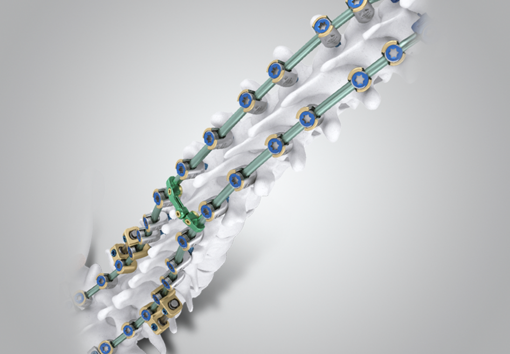
Ankylosing Spondylitis
Ankylosing Spondylitis (AS) is a chronic inflammatory disease that primarily affects the spine and the sacroiliac joints, where the spine connects to the pelvis. It belongs to a group of conditions known as spondyloarthritis, which are inflammatory diseases that can affect the joints, ligaments, and tendons. Over time, persistent inflammation may lead to the fusion of spinal bones, reducing flexibility and causing a stooped posture in severe cases. Although Ankylosing Spondylitis mainly affects the back, it can also involve the hips, shoulders, ribs, eyes, and other parts of the body.
The exact cause of Ankylosing Spondylitis remains unknown, but genetic factors play a significant role. Many people with the condition carry the HLA-B27 gene, although not everyone with this gene develops the disease. Environmental factors and an overactive immune response may also contribute to its onset. The condition usually begins in late adolescence or early adulthood and is more commonly diagnosed in men, though women can also develop the disease.
The most common symptom of Ankylosing Spondylitis is persistent lower back pain and stiffness, especially after periods of rest or during the early morning hours. Unlike mechanical back pain, the discomfort often improves with physical activity and exercise. Other symptoms may include fatigue, pain in the hips or buttocks, reduced flexibility, neck pain, and difficulty taking deep breaths if the rib joints become affected. Some individuals may also experience inflammation in the eyes, known as uveitis, which requires immediate medical attention.
Diagnosis involves a combination of medical history, physical examination, imaging tests such as X-rays or MRI scans, and blood tests to detect inflammation or genetic markers. Early diagnosis is important because prompt treatment can help reduce symptoms, slow disease progression, and improve quality of life.
Although there is currently no cure for Ankylosing Spondylitis, several treatment options can effectively manage the condition. Nonsteroidal anti-inflammatory drugs (NSAIDs) are commonly prescribed to relieve pain and inflammation. In more severe cases, biologic medications and disease-modifying antirheumatic drugs (DMARDs) may be recommended. Physical therapy, stretching exercises, posture training, and regular physical activity are essential components of long-term management. Maintaining a healthy weight, avoiding smoking, and following an active lifestyle can also help reduce complications.
Living with Ankylosing Spondylitis requires consistent medical care and self-management, but many people are able to lead active and fulfilling lives with appropriate treatment. Regular follow-up with healthcare professionals, adherence to prescribed medications, and a commitment to exercise can significantly improve mobility, reduce pain, and prevent long-term joint damage. Increased awareness and early intervention remain key to achieving the best possible outcomes for individuals affected by this chronic inflammatory condition.