
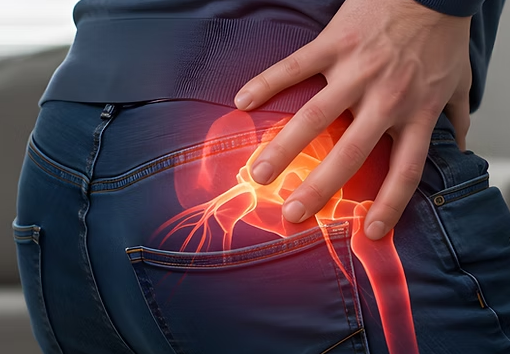
Hip Pain
Hip pain is a common condition that can affect people of all ages, although it is more frequently experienced by older adults, athletes, and individuals with physically demanding lifestyles. The hip is one of the largest and strongest joints in the human body, responsible for supporting body weight and enabling smooth movement during activities such as walking, running, sitting, and climbing stairs. When pain develops in or around the hip joint, it can significantly impact mobility, comfort, and overall quality of life. Hip pain may occur suddenly due to an injury or develop gradually over time as a result of wear and tear, inflammation, or underlying medical conditions.
There are many possible causes of hip pain, including arthritis, bursitis, muscle strains, tendon injuries, fractures, hip labral tears, and conditions affecting the lower back. Osteoarthritis is one of the most common causes, particularly in older adults, where the protective cartilage within the joint gradually wears away, leading to stiffness and discomfort. Sports injuries, repetitive movements, poor posture, and excessive physical activity can also contribute to hip pain. In some cases, infections or inflammatory diseases such as rheumatoid arthritis may be responsible for persistent pain and swelling.
The symptoms of hip pain vary depending on the underlying cause. Individuals may experience aching, stiffness, sharp pain, tenderness, swelling, reduced range of motion, or discomfort that radiates to the thigh, groin, buttocks, or knee. Pain may worsen during walking, standing for long periods, climbing stairs, or after prolonged periods of sitting. Some people may also notice a clicking sensation, limping, or difficulty performing everyday tasks.
Diagnosis typically begins with a detailed medical history and physical examination. Healthcare professionals may recommend imaging tests such as X-rays, MRI scans, CT scans, or ultrasound to identify structural problems. Blood tests may also be performed if an infection or inflammatory condition is suspected. An accurate diagnosis is essential to determine the most appropriate treatment plan.
Treatment for hip pain depends on its cause and severity. Conservative options include rest, activity modification, ice or heat therapy, pain-relieving medications, anti-inflammatory drugs, and physical therapy to improve strength, flexibility, and joint stability. Maintaining a healthy weight and engaging in low-impact exercises such as swimming or cycling can also reduce stress on the hip joint. In more severe cases, corticosteroid injections or surgical procedures, including hip replacement surgery, may be recommended.
Preventing hip pain involves maintaining good posture, staying physically active, warming up before exercise, strengthening the muscles surrounding the hip, and avoiding excessive strain. Early diagnosis and proper treatment can help relieve pain, restore mobility, and improve long-term joint health, allowing individuals to continue their daily activities with greater comfort and confidence.