
Rheumatoid Arthritis
Rheumatoid Arthritis (RA) is a chronic autoimmune disease that primarily affects the joints, causing pain, swelling, stiffness, and inflammation. Unlike osteoarthritis, which occurs due to the gradual wear and tear of cartilage, rheumatoid arthritis develops when the body's immune system mistakenly attacks the healthy lining of the joints, known as the synovium. This abnormal immune response leads to inflammation that can eventually damage cartilage, bones, ligaments, and tendons. RA commonly affects the hands, wrists, knees, feet, and ankles, but it can also involve other organs such as the lungs, heart, eyes, and blood vessels if left untreated.
The exact cause of rheumatoid arthritis remains unknown, but researchers believe that a combination of genetic, environmental, and hormonal factors contributes to its development. Certain infections, smoking, obesity, and a family history of autoimmune diseases may increase the risk of developing RA. Women are more likely to be affected than men, and the condition most commonly begins between the ages of 30 and 60, although it can occur at any age.
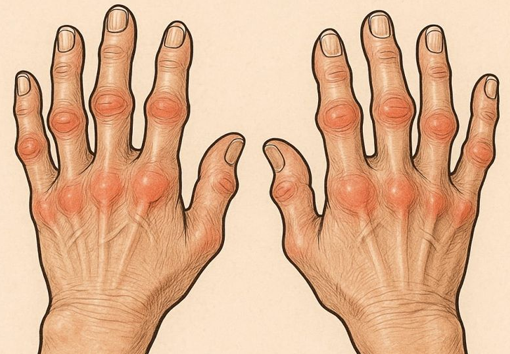
The symptoms of rheumatoid arthritis often develop gradually and may vary in severity. Common signs include persistent joint pain, morning stiffness lasting more than 30 minutes, swelling, warmth around the joints, fatigue, weakness, low-grade fever, and reduced range of motion. In many cases, the disease affects the same joints on both sides of the body, making it a symmetrical condition. Over time, untreated RA can cause joint deformities, loss of mobility, and significant impairment in daily activities.
Early diagnosis is essential for preventing permanent joint damage. Doctors diagnose rheumatoid arthritis through a combination of physical examination, blood tests, imaging studies such as X-rays, ultrasound, or MRI scans, and evaluation of the patient's symptoms and medical history. Blood tests may include rheumatoid factor (RF), anti-CCP antibodies, erythrocyte sedimentation rate (ESR), and C-reactive protein (CRP), which help assess inflammation and autoimmune activity.
Although there is currently no cure for rheumatoid arthritis, effective treatment can significantly reduce symptoms, slow disease progression, and improve quality of life. Treatment typically includes disease-modifying antirheumatic drugs (DMARDs), biologic medications, anti-inflammatory drugs, pain relievers, and corticosteroids when necessary. Physical therapy, regular low-impact exercise, weight management, and a healthy anti-inflammatory diet also play an important role in managing the condition. Patients are encouraged to avoid smoking and maintain regular follow-up appointments with their healthcare provider.
With timely diagnosis, appropriate medication, and lifestyle modifications, many people with rheumatoid arthritis are able to manage their symptoms effectively and lead active, productive lives. Continuous medical care and early intervention remain the key to minimizing complications and preserving joint function over the long term.