
Ligament Injury
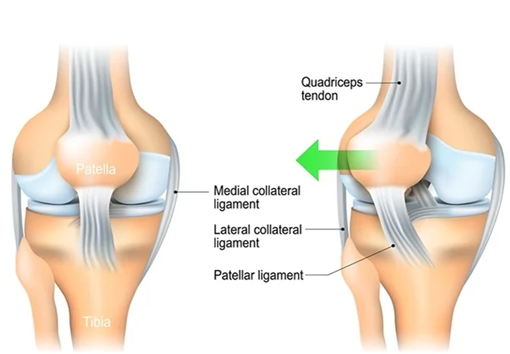
A ligament injury occurs when one or more ligaments, the strong bands of connective tissue that connect bones and stabilize joints, become stretched, partially torn, or completely torn due to excessive force or sudden movement. These injuries commonly affect the knees, ankles, wrists, elbows, and shoulders, and they can happen during sports activities, accidents, falls, or everyday movements. Depending on the severity of the damage, ligament injuries can range from mild sprains to complete ruptures that require surgical intervention.
The most common symptoms of a ligament injury include sudden pain, swelling, bruising, tenderness, limited range of motion, and difficulty bearing weight or using the affected joint. In severe cases, patients may hear a popping sound at the time of injury or experience joint instability, making it difficult to perform normal daily activities. Prompt diagnosis is important to prevent further damage and ensure proper healing.
Healthcare professionals diagnose ligament injuries through a detailed physical examination, evaluation of the patient's medical history, and imaging tests such as X-rays, ultrasound, or MRI scans. These diagnostic methods help determine the extent of the injury and identify whether other structures, such as tendons, muscles, or bones, have also been affected.
Treatment depends on the severity of the injury. Mild ligament sprains often respond well to conservative management, including rest, ice application, compression, elevation (RICE), pain-relieving medications, physical therapy, and rehabilitation exercises. Moderate injuries may require temporary immobilization using braces or splints to allow the ligament to heal properly. Severe ligament tears, particularly those involving major joints like the knee, may require surgical reconstruction followed by a structured rehabilitation program to restore strength, flexibility, and stability.
Physical therapy plays a vital role in the recovery process. A customized rehabilitation program helps improve joint mobility, strengthen surrounding muscles, reduce pain, and prevent future injuries. Patients are encouraged to follow their therapist's recommendations and gradually return to physical activities only after receiving medical clearance.
Preventing ligament injuries involves maintaining good muscle strength, improving flexibility, performing proper warm-up exercises before sports, wearing appropriate protective equipment, and using correct movement techniques during physical activities. Individuals should also avoid overtraining and allow adequate time for recovery between intense exercise sessions.
With early diagnosis, appropriate treatment, and consistent rehabilitation, most people recover successfully from ligament injuries and regain normal joint function. Seeking timely medical attention and following a comprehensive treatment plan can significantly reduce the risk of long-term complications and help individuals return to their regular activities safely.