
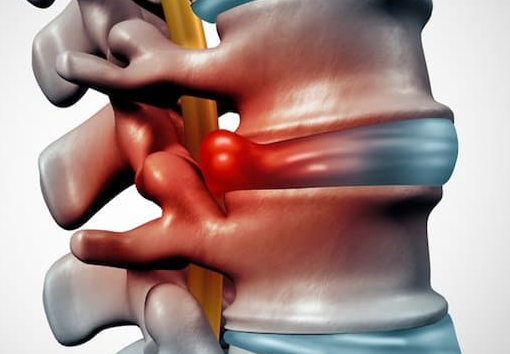
Slip Disc
A slip disc, also known as a herniated disc, bulging disc, or prolapsed disc, is a common spinal condition that occurs when the soft inner material of an intervertebral disc pushes through a tear in its tougher outer layer. The discs between the vertebrae act as cushions, absorbing shock and allowing flexibility in the spine. When a disc becomes damaged, it can press against nearby nerves, leading to pain, numbness, and weakness in different parts of the body. Although the condition is commonly associated with aging, it can also affect younger individuals due to injuries, poor posture, heavy lifting, or repetitive physical strain.
The most common symptom of a slip disc is persistent back or neck pain, depending on the location of the affected disc. If the herniated disc compresses a nerve, the pain may radiate into the arms, shoulders, buttocks, or legs. In cases involving the lower back, many people experience sciatica, a sharp pain that travels from the lower back down one leg. Other symptoms may include tingling sensations, muscle weakness, numbness, reduced flexibility, and difficulty performing everyday activities such as walking, bending, or lifting objects.
Several factors can increase the risk of developing a slip disc. These include aging, obesity, sedentary lifestyle, poor posture, improper lifting techniques, smoking, and occupations that involve repetitive bending or heavy physical work. Maintaining a healthy weight, exercising regularly, and practicing proper body mechanics can significantly reduce the risk of spinal disc injuries.
Diagnosis typically involves a detailed medical history, physical examination, and imaging tests such as X-rays, MRI scans, or CT scans to determine the location and severity of the herniated disc. Early diagnosis helps prevent complications and allows for more effective treatment planning.
Treatment for a slip disc depends on the severity of the condition. Most patients recover with conservative treatments, including rest, physical therapy, pain-relieving medications, anti-inflammatory drugs, and guided stretching exercises. Lifestyle modifications, ergonomic improvements, and strengthening exercises are also important for long-term recovery and prevention of recurrence. In severe cases where symptoms persist or significant nerve compression occurs, minimally invasive procedures or spinal surgery may be recommended.
With timely diagnosis, appropriate treatment, and consistent rehabilitation, most individuals with a slip disc can regain mobility, reduce pain, and return to their normal daily activities. Following a healthy lifestyle and taking preventive measures are essential for maintaining spinal health and minimizing the chances of future disc problems.