
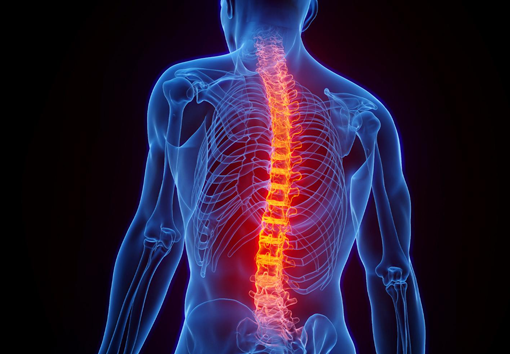
Mid Thoracic Pain
Mid thoracic pain refers to discomfort or pain experienced in the middle portion of the back, specifically in the thoracic spine, which extends from the base of the neck to the lower back. This region consists of twelve vertebrae that provide stability, support the rib cage, and protect the spinal cord. While mid thoracic pain is less common than neck or lower back pain, it can significantly affect daily activities, posture, mobility, and overall quality of life. The pain may range from a mild, persistent ache to sharp, intense discomfort that worsens with movement, prolonged sitting, or physical exertion.
Several factors can contribute to mid thoracic pain. Poor posture is one of the most common causes, especially among individuals who spend long hours working at a desk, using computers, or looking down at mobile devices. Muscle strain resulting from heavy lifting, repetitive movements, or sudden twisting can also lead to pain in this area. In some cases, thoracic pain may be associated with conditions such as herniated discs, spinal arthritis, scoliosis, osteoporosis, compression fractures, or inflammatory disorders. Less commonly, pain in the mid-back may originate from internal organs, including the lungs, heart, stomach, or gallbladder, making accurate diagnosis essential.
The symptoms of mid thoracic pain vary depending on the underlying cause. Individuals may experience localized tenderness, muscle stiffness, burning sensations, sharp or stabbing pain, reduced flexibility, or discomfort that radiates around the chest or ribs. Some people may also notice numbness, tingling, or weakness if spinal nerves are affected. Pain often becomes more noticeable after sitting or standing for extended periods, during physical activity, or when taking deep breaths.
Diagnosis begins with a detailed medical history and physical examination. Healthcare professionals may recommend imaging tests such as X-rays, MRI scans, or CT scans to evaluate the spine and surrounding tissues. Additional laboratory tests may be required if an infection, inflammatory condition, or systemic disease is suspected.
Treatment depends on the cause and severity of the condition. Conservative management usually includes rest, posture correction, physical therapy, stretching exercises, heat or cold therapy, and pain-relieving medications. Strengthening the back and core muscles can improve spinal support and reduce the risk of recurring pain. In more severe cases, targeted injections or surgical intervention may be considered when conservative treatments fail or when structural abnormalities are present.
Preventing mid thoracic pain involves maintaining proper posture, exercising regularly, using ergonomic workstations, avoiding excessive lifting, and practicing safe body mechanics. Early evaluation and timely treatment can prevent complications, improve mobility, and help individuals return to their normal daily activities with greater comfort and confidence.