
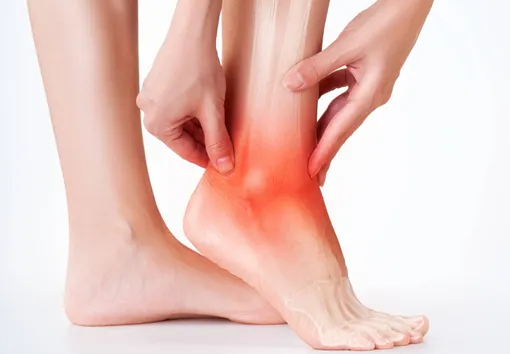
Calf Pain
Calf pain is a common condition that affects people of all ages and activity levels. The calf is located at the back of the lower leg and is primarily made up of two major muscles, the gastrocnemius and the soleus. These muscles work together to help with walking, running, jumping, and maintaining balance. Pain in the calf can range from mild discomfort to severe pain that limits movement and daily activities. It may occur suddenly due to an injury or develop gradually over time because of overuse or an underlying medical condition.
One of the most common causes of calf pain is muscle strain, which often occurs during sports, exercise, or sudden physical activity. Overstretching or tearing of the calf muscles can result in pain, swelling, bruising, and difficulty walking. Muscle cramps, dehydration, and inadequate warm-up before exercise are also frequent reasons for calf discomfort. Athletes, runners, and individuals who spend long hours standing or walking are particularly susceptible to calf pain.
In some cases, calf pain may be linked to circulation problems, nerve compression, or conditions affecting the blood vessels. Deep vein thrombosis (DVT), a serious condition caused by a blood clot in a deep vein, can present with calf pain, swelling, warmth, and redness. Because DVT can lead to life-threatening complications if left untreated, any sudden and unexplained calf pain accompanied by these symptoms requires immediate medical attention. Other medical conditions such as peripheral artery disease, Achilles tendon injuries, and varicose veins can also contribute to persistent calf pain.
The treatment for calf pain depends on its underlying cause. Mild muscle strains and cramps often improve with rest, ice application, compression, elevation, and gentle stretching exercises. Staying hydrated and maintaining proper nutrition can help prevent muscle cramps. Physical therapy may be recommended for more significant muscle injuries to restore strength, flexibility, and mobility. If the pain is caused by a medical condition such as poor circulation or a blood clot, specialized medical treatment is necessary.
Preventing calf pain involves maintaining good physical fitness, warming up before exercise, stretching regularly, wearing supportive footwear, and avoiding sudden increases in physical activity. Proper hydration and maintaining healthy blood circulation are equally important. Individuals who experience severe, recurring, or unexplained calf pain should seek medical evaluation to determine the exact cause and receive appropriate treatment. Early diagnosis and proper care can help prevent complications, promote faster recovery, and ensure long-term muscle and leg health.