
Osteoarthritis
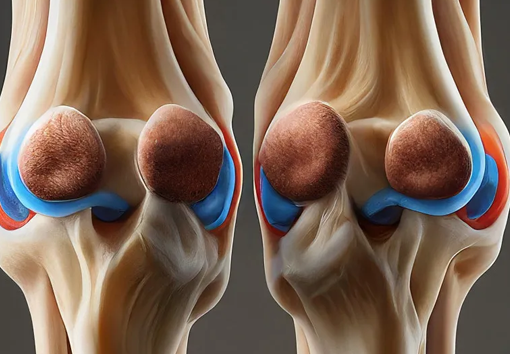
Osteoarthritis is one of the most common forms of arthritis, affecting millions of people worldwide. It is a degenerative joint disease that develops when the protective cartilage cushioning the ends of bones gradually wears away. Cartilage allows joints to move smoothly and absorb shock during daily activities. As this tissue deteriorates, bones begin to rub against each other, causing pain, stiffness, swelling, and reduced flexibility. Although osteoarthritis is often associated with aging, it can also affect younger individuals due to joint injuries, obesity, repetitive stress, or genetic factors.
The condition most commonly affects weight-bearing joints such as the knees, hips, and spine, but it can also develop in the hands, shoulders, and feet. In the early stages, symptoms may appear only after physical activity or prolonged movement. As the disease progresses, pain may become more frequent, and joints may feel stiff after periods of rest, especially in the morning or after sitting for a long time. Some individuals may also experience a grinding sensation during movement, decreased range of motion, and the formation of bone spurs around the affected joints.
Several factors contribute to the development of osteoarthritis. Aging is one of the primary risk factors because cartilage naturally becomes less resilient over time. Excess body weight places additional pressure on joints, particularly the knees and hips, accelerating cartilage damage. Previous joint injuries, repetitive occupational movements, participation in high-impact sports, and family history can also increase the likelihood of developing the condition. Women, especially after menopause, are generally at a higher risk than men.
Diagnosis of osteoarthritis typically involves a physical examination, evaluation of symptoms, medical history, and imaging tests such as X-rays or MRI scans to assess joint damage. Although there is currently no cure for osteoarthritis, various treatment options can effectively manage symptoms and improve quality of life. Lifestyle modifications, including regular low-impact exercise, weight management, and physical therapy, play a vital role in maintaining joint function. Pain-relieving medications, anti-inflammatory drugs, supportive braces, and assistive devices may also be recommended. In severe cases where joint damage significantly affects daily activities, joint replacement surgery may be considered.
Preventing osteoarthritis involves maintaining a healthy weight, staying physically active, protecting joints from injury, and strengthening the muscles that support them. Early diagnosis and appropriate treatment can slow disease progression, reduce discomfort, and help individuals remain active and independent. With proper care, many people with osteoarthritis continue to lead productive and fulfilling lives while effectively managing their symptoms.