
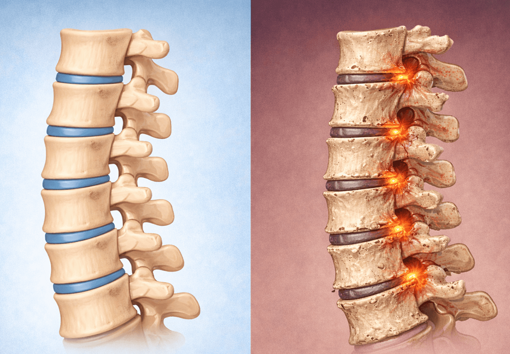
Facet Joint Pain
Facet joint pain is a common cause of chronic neck and back discomfort that affects millions of people worldwide. Facet joints are small joints located between the vertebrae of the spine. They play a vital role in providing stability, supporting movement, and allowing the spine to bend, twist, and rotate smoothly. When these joints become inflamed, irritated, or damaged due to aging, injury, arthritis, or excessive strain, they can cause significant pain and stiffness that interferes with daily activities. Although facet joint pain can occur anywhere along the spine, it most commonly affects the neck (cervical spine) and lower back (lumbar spine).
The symptoms of facet joint pain vary depending on the affected area. Individuals often experience localized pain, stiffness, tenderness, and reduced flexibility in the neck or lower back. The pain may worsen after standing for long periods, bending backward, twisting the spine, or engaging in repetitive movements. Some people may also experience muscle spasms and discomfort that radiates into the shoulders, hips, or buttocks, although the pain usually does not extend below the knees or elbows. Morning stiffness and increased pain after periods of inactivity are also common signs associated with this condition.
Several factors can contribute to the development of facet joint pain. Age-related degeneration is one of the most common causes, as the cartilage within the joints gradually wears down over time. Osteoarthritis, spinal injuries, poor posture, obesity, repetitive physical activities, and previous spinal surgeries may also increase the risk of developing this condition. Athletes, manual laborers, and individuals with sedentary lifestyles are particularly vulnerable due to repeated stress on the spine or prolonged poor posture.
Diagnosing facet joint pain requires a thorough medical evaluation. Healthcare providers typically review the patient's medical history, perform a physical examination, and assess spinal movement. Imaging tests such as X-rays, CT scans, or MRI scans may help identify joint degeneration or other spinal abnormalities. In some cases, diagnostic facet joint injections are used to confirm the exact source of the pain.
Treatment focuses on reducing pain, improving mobility, and preventing further joint damage. Conservative treatment options include physical therapy, posture correction, stretching exercises, anti-inflammatory medications, muscle relaxants, and lifestyle modifications. Applying heat or cold therapy may also provide temporary relief. If conservative treatments fail to relieve symptoms, minimally invasive procedures such as facet joint injections, medial branch nerve blocks, or radiofrequency ablation may be recommended. Surgery is rarely necessary and is considered only in severe cases.
Maintaining a healthy weight, practicing good posture, exercising regularly, and strengthening the core muscles can help reduce stress on the spine and lower the risk of facet joint problems. Early diagnosis and appropriate treatment can significantly improve quality of life, relieve pain, and restore normal movement, allowing individuals to return to their daily activities with greater comfort and confidence.