
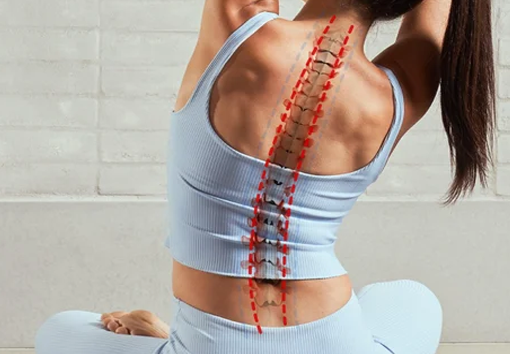
Posture Correction
Posture correction is the process of improving the way the body is aligned while sitting, standing, walking, or performing daily activities. Good posture helps maintain the natural curves of the spine, allowing muscles, joints, and ligaments to function efficiently. In today's digital world, many people spend long hours working on computers, using smartphones, or sitting for extended periods, which often leads to poor posture. Common postural problems include rounded shoulders, forward head posture, slouching, and an exaggerated curve in the lower back. Over time, these issues can cause neck pain, back pain, muscle stiffness, headaches, reduced flexibility, and even decreased confidence.
Correcting posture begins with identifying the habits that contribute to poor body alignment. Maintaining a straight spine, keeping the shoulders relaxed and back, positioning the ears over the shoulders, and distributing body weight evenly while standing are essential steps. When sitting, the feet should rest flat on the floor, knees should be at a 90-degree angle, and the back should be fully supported by a chair. Regular movement throughout the day is equally important, as remaining in one position for long periods places unnecessary stress on the muscles and spine.
Exercise plays a significant role in posture correction. Strengthening the core, back, shoulder, and hip muscles provides better support for the spine and helps maintain proper alignment. Stretching tight muscles, particularly those in the chest, neck, and hip flexors, improves flexibility and reduces muscular imbalance. Activities such as yoga, Pilates, resistance training, and guided posture exercises are highly effective in improving posture naturally. Consistency is the key, as gradual improvements occur through regular practice rather than immediate changes.
Proper posture offers numerous physical and mental health benefits. It reduces strain on the spine, decreases the risk of chronic pain, improves breathing by allowing the lungs to expand fully, enhances circulation, and increases energy levels. Good posture also improves balance, coordination, and physical performance during sports and daily activities. Additionally, standing and sitting with proper alignment often create a more confident appearance and positively influence mood and self-esteem.
Modern posture correction may also involve ergonomic adjustments at home and in the workplace. Using an appropriately positioned computer monitor, an ergonomic chair, a supportive mattress, and proper lifting techniques can significantly reduce stress on the body. For individuals experiencing persistent discomfort or severe postural issues, consulting a qualified physiotherapist or healthcare professional can provide personalized assessment and corrective exercises.
In conclusion, posture correction is an essential aspect of maintaining overall health, comfort, and mobility. By combining healthy habits, regular exercise, ergonomic improvements, and increased body awareness, individuals can prevent pain, improve physical function, and enjoy a healthier, more active lifestyle. Small daily adjustments can lead to lasting improvements in posture and long-term well-being.