
Avascular Necrosis (AVN)
Avascular Necrosis (AVN), also known as osteonecrosis, is a serious bone disorder that occurs when the blood supply to a bone is reduced or completely interrupted. Since bones require a continuous supply of oxygen and nutrients through blood circulation, the lack of blood flow causes the bone tissue to weaken and eventually die. Over time, the affected bone may collapse, leading to severe pain, loss of joint function, and permanent disability if left untreated. AVN most commonly affects the hip joint, particularly the head of the femur, but it can also occur in the knees, shoulders, ankles, wrists, and other bones.
Several factors can contribute to the development of Avascular Necrosis. Traumatic injuries such as fractures or dislocations can damage blood vessels supplying the bone. Non-traumatic causes include long-term use of corticosteroid medications, excessive alcohol consumption, certain autoimmune diseases, blood clotting disorders, sickle cell disease, and medical treatments like radiation therapy. In some cases, the exact cause remains unknown, and the condition is referred to as idiopathic AVN.
The symptoms of AVN usually develop gradually. In the early stages, many individuals may not experience any noticeable symptoms. As the disease progresses, patients often experience joint pain during physical activity, which later becomes constant and may occur even while resting. Stiffness, limited range of motion, and difficulty walking or performing daily activities are common signs, especially when the hip or knee is affected. Without timely intervention, the joint may collapse, requiring more extensive treatment.
Diagnosis of Avascular Necrosis involves a detailed medical history, physical examination, and advanced imaging studies. X-rays may detect changes in the later stages, while Magnetic Resonance Imaging (MRI) is considered the most effective method for identifying AVN in its early stages. CT scans and bone scans may also be used to evaluate the severity of bone damage and assist in treatment planning.
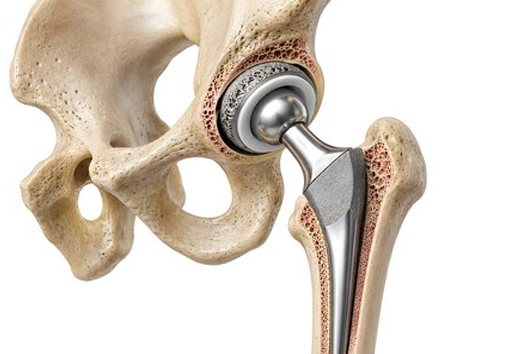
Treatment depends on the stage of the disease and the extent of bone damage. Early-stage AVN may be managed with medications, reduced weight-bearing, physical therapy, and lifestyle modifications to slow disease progression. Surgical procedures such as core decompression, bone grafting, or osteotomy may help preserve the joint in selected patients. In advanced cases where the joint has significantly deteriorated, total joint replacement, particularly hip replacement, often provides the best long-term outcome.
Early diagnosis and appropriate treatment are essential for preserving joint function and preventing permanent disability. Maintaining a healthy lifestyle, managing underlying medical conditions, avoiding excessive alcohol intake, and using corticosteroids only under medical supervision can help reduce the risk of developing Avascular Necrosis and improve overall bone health.