
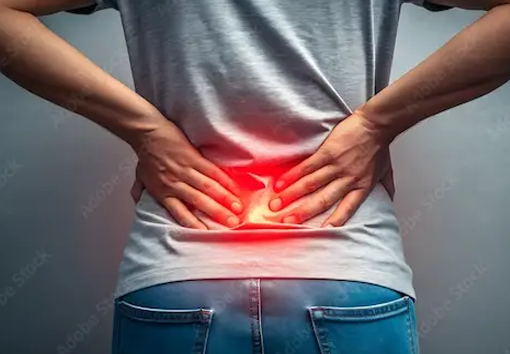
Lower Back Pain
Lower back pain is one of the most common health concerns affecting people of all ages across the world. It can range from mild discomfort to severe pain that interferes with daily activities, work, and overall quality of life. The lower back, also known as the lumbar region, supports the weight of the upper body and plays a crucial role in movement, balance, and flexibility. Because this area is constantly involved in standing, walking, lifting, and bending, it is highly susceptible to strain and injury.
There are many possible causes of lower back pain. Poor posture, prolonged sitting, heavy lifting, muscle strain, obesity, and lack of physical activity are among the most common reasons. In some cases, medical conditions such as herniated discs, arthritis, osteoporosis, spinal stenosis, or sciatica can also contribute to chronic or severe back pain. Stress and anxiety may also increase muscle tension, making the pain feel worse. Identifying the underlying cause is essential for choosing the most effective treatment.
The symptoms of lower back pain can vary depending on the severity and cause of the condition. Some individuals experience a dull, aching sensation, while others may feel sharp or shooting pain that radiates to the hips, buttocks, or legs. Stiffness, muscle spasms, reduced flexibility, and difficulty standing or walking are also common symptoms. Chronic lower back pain may last for more than three months and often requires professional medical evaluation and long-term management.
Treatment for lower back pain depends on its cause and intensity. Mild cases often improve with adequate rest, gentle stretching, physical therapy, hot or cold compresses, and over-the-counter pain relief medications. Maintaining proper posture, using ergonomic furniture, and engaging in regular exercise can help strengthen the core and back muscles, reducing the risk of future injuries. For more serious conditions, doctors may recommend prescription medications, spinal injections, or surgical procedures if conservative treatments fail to provide relief.
Preventing lower back pain involves adopting a healthy lifestyle and practicing proper body mechanics. Regular exercise, maintaining a healthy weight, lifting objects correctly, and avoiding prolonged periods of sitting can significantly reduce the risk of developing back problems. Sleeping on a supportive mattress and wearing appropriate footwear also contribute to spinal health.
Lower back pain should never be ignored, especially if it is severe, persistent, or accompanied by numbness, weakness, fever, or loss of bladder or bowel control. Early diagnosis and timely treatment can prevent complications and improve recovery. With proper care, lifestyle modifications, and professional guidance, most people can effectively manage lower back pain and maintain an active, healthy, and pain-free life.