
Sciatica
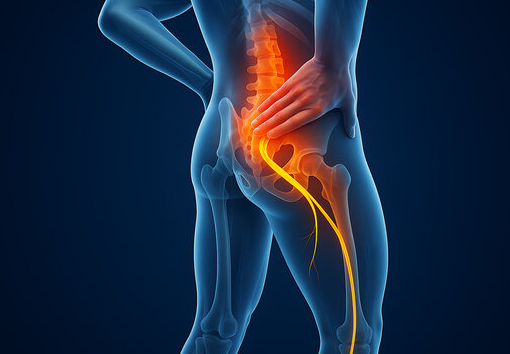
Sciatica is a common condition that causes pain along the path of the sciatic nerve, the largest nerve in the human body. This nerve extends from the lower back through the hips and buttocks and travels down each leg. Sciatica usually affects only one side of the body and occurs when the sciatic nerve becomes compressed, irritated, or inflamed. The pain can range from mild discomfort to severe, sharp, or burning sensations that interfere with daily activities. While sciatica is not a disease itself, it is a symptom of an underlying spinal or nerve-related condition that requires proper evaluation and treatment.
The most common causes of sciatica include a herniated disc, spinal stenosis, degenerative disc disease, bone spurs, or muscle tightness, particularly involving the piriformis muscle. Age-related changes in the spine, poor posture, prolonged sitting, obesity, repetitive lifting, and physically demanding occupations can also increase the risk of developing sciatica. In some cases, pregnancy may contribute to sciatic nerve compression due to additional pressure on the lower back and pelvis.
The primary symptom of sciatica is pain that radiates from the lower back through the buttock and down the leg. Some individuals may also experience numbness, tingling, muscle weakness, or a sensation similar to electric shocks. The pain often worsens when sitting for long periods, coughing, sneezing, or making sudden movements. Although many cases improve with conservative care, persistent or severe symptoms should be assessed by a qualified healthcare professional to prevent complications.
Diagnosis typically involves a detailed medical history, physical examination, and, when necessary, imaging tests such as X-rays, MRI scans, or CT scans to identify the underlying cause of nerve compression. Early diagnosis helps determine the most effective treatment plan and reduces the risk of chronic pain.
Treatment for sciatica depends on the severity and cause of the condition. Mild to moderate cases often respond well to rest, physical therapy, stretching exercises, posture correction, hot or cold therapy, and anti-inflammatory medications prescribed by a healthcare provider. Strengthening the muscles of the lower back and core can improve spinal support and reduce the likelihood of recurrence. In more severe cases, corticosteroid injections or surgical intervention may be recommended when conservative treatments fail or significant nerve damage is present.
Preventing sciatica involves maintaining good posture, exercising regularly, lifting heavy objects correctly, maintaining a healthy weight, and avoiding prolonged periods of sitting. With timely diagnosis, appropriate treatment, and healthy lifestyle habits, most individuals with sciatica can successfully manage their symptoms, restore mobility, and return to their normal daily activities with improved comfort and quality of life.